How Much Does It Cost to Open a Provision Store in Nigeria in 2026? (Full Budget Breakdown)
SwiftPOS Team
Published June 26, 2026
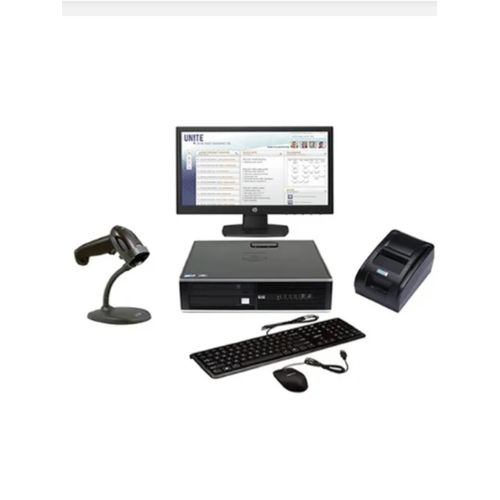
If you've been asking how much to open a provision store in Nigeria, you've probably noticed the problem already: every answer online is different. One person says ₦100,000 is enough. Another insists you need ₦2 million or more. Neither is wrong — they're just talking about different kinds of shops.
This guide breaks the cost down item by item, so you can build a budget that matches the shop you actually want to run, not someone else's. By the end, you'll know exactly what to plan for, where most of your money should go, and how to keep your costs under control once you open. Start your free SwiftPOS trial →
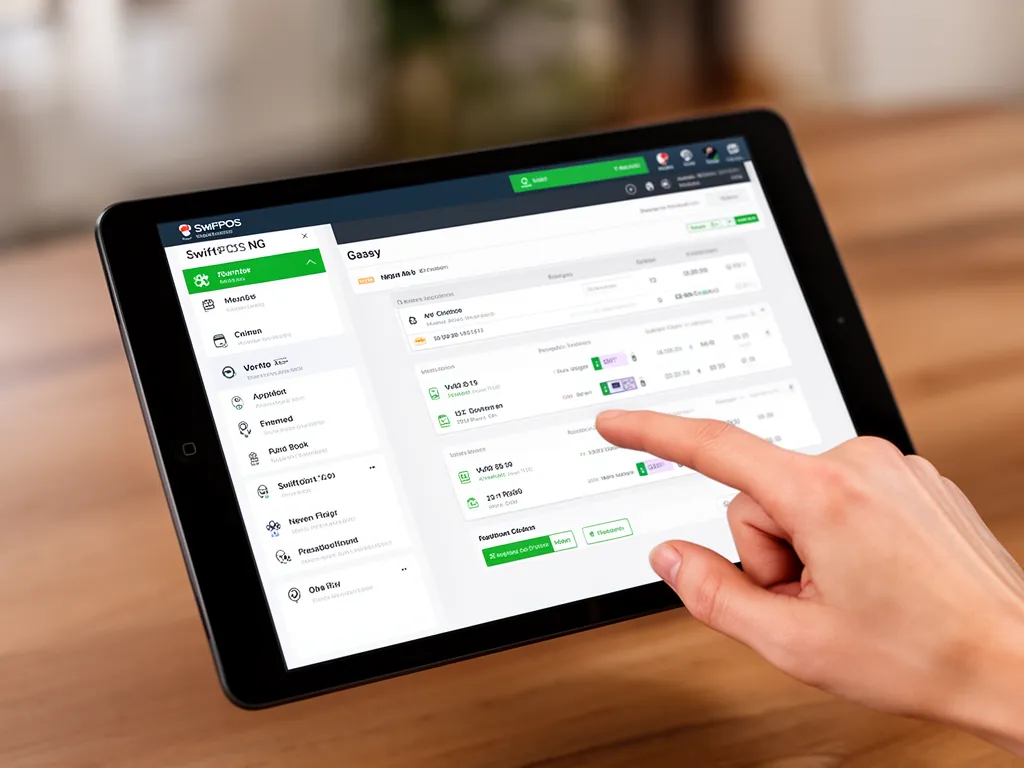
What Counts as a "Provision Store" in Nigeria?
A provision store is any retail shop selling everyday household items — food, drinks, toiletries, cleaning products, and snacks — usually in a residential area or on a busy street. In practice, it can mean very different things:
- A small roadside kiosk with a handful of fast-moving products
- A standard neighborhood shop with shelves, a counter, and a wider range of goods
- A wholesale-leaning store that buys in bulk and resells to other small sellers
- A mini supermarket with several aisles and a small team of staff
The "how much does it cost" conversation only makes sense once you know which of these you're building — so the breakdown below is organized to fit all four.
Why the Cost Varies So Much From Shop to Shop
Three factors explain almost every gap you'll see between cost guides:
- Location. Rent in Lagos or Abuja is far higher than in a smaller town, and even within the same city, a busy roadside shop costs more than a quiet residential corner.
- Store size and stock depth. A shop with thirty product lines costs far less to fill than one with three hundred.
- Whether you already own a shop space. Many "I started with ₦100,000" stories already had a free shop space — a family property or a spare room — and only budgeted for stock, not rent.
Keep these three variables in mind as you go through the numbers below.
Full Cost Breakdown — Item by Item
Shop Rent
Annual rent for a small shop space typically falls between roughly ₦50,000 and ₦400,000 or more, depending on the city and how busy the street is. Lagos, Abuja, and Port Harcourt commercial corners sit at the higher end; smaller towns and quieter residential streets sit lower.
Shelving and Store Fittings
Basic shelving, a display counter, and simple fittings generally cost between ₦30,000 and ₦150,000. This can rise if you want glass display cases, a drinks fridge, or custom carpentry.
Initial Stock
This is where most of your money goes. A small provision store can realistically open with ₦100,000 to ₦300,000 worth of goods on the shelf. A fuller, standard store usually needs ₦500,000 to ₦1,000,000. A wholesale-leaning or supermarket-style store can require ₦1,000,000 to well over ₦2,500,000. The advice experienced shop owners repeat most often: start with a leaner stock list and restock often, rather than spending everything on day one.
Business Registration (CAC)
Registering your business name with the Corporate Affairs Commission usually costs between ₦10,000 and ₦25,000. It isn't compulsory if you're starting very small, but it matters once you want a business bank account, supplier credit, or room to grow into a bigger store.
POS and Technology
Beyond a cash box or notebook, most shop owners now budget for a POS system to track sales, manage stock, and accept digital payments — especially as more Nigerian customers prefer transfers and cards over cash. A cloud POS like SwiftPOS starts from ₦3,000 a month on the Starter plan, which is small enough to fit almost any opening budget. See the full SwiftPOS pricing plans for details.
Staffing
If you're running the shop yourself at first, you can skip this cost entirely. Once you bring in one or two attendants, budget for monthly wages plus the time it takes to train them on pricing, stock handling, and your POS system.
Signage and Marketing
A signboard, a fresh coat of paint, and some local word-of-mouth promotion typically cost ₦20,000 to ₦80,000. This is one of the easiest areas to start small and expand later.
Working Capital Buffer
Always keep a buffer — ideally 10–20% of your total budget — set aside for restocking, unexpected repairs, or a slow first month. Shops that spend every naira on opening day are the ones that struggle hardest in week three.
Sample Budgets by Store Size
- Roadside kiosk: ₦150,000 – ₦500,000 (often with free or very low rent)
- Standard neighborhood store: ₦500,000 – ₦1,500,000
- Wholesale-leaning store: ₦1,000,000 – ₦2,500,000
- Mini supermarket: ₦3,000,000 – ₦5,000,000+
If you want a deeper walkthrough of the setup process itself, our guide on how to start and run a profitable provision store or mini-mart in Nigeria covers the operational side in detail.
How to Cut Startup Costs Without Hurting Your Business
You don't need to spend at the top of every range above. A few practical ways shop owners reduce their opening cost:
- Negotiate rent for 6 months instead of a full year while you test the location
- Buy shelving secondhand or have basic wooden shelves made locally instead of buying pre-fabricated units
- Start with fast-moving essentials only — soap, seasoning, drinks, snacks — rather than trying to stock everything on day one
- Delay CAC registration until you have steady sales, if you're starting very small
- Choose a POS plan priced for small shops rather than paying for features you won't use in your first few months
How SwiftPOS Helps You Control Costs After You Open
Getting your shop open is only half the job — the real cost control happens in the weeks and months after, when stock losses, pricing mistakes, and untracked sales quietly eat into your profit. This is where a proper system pays for itself.
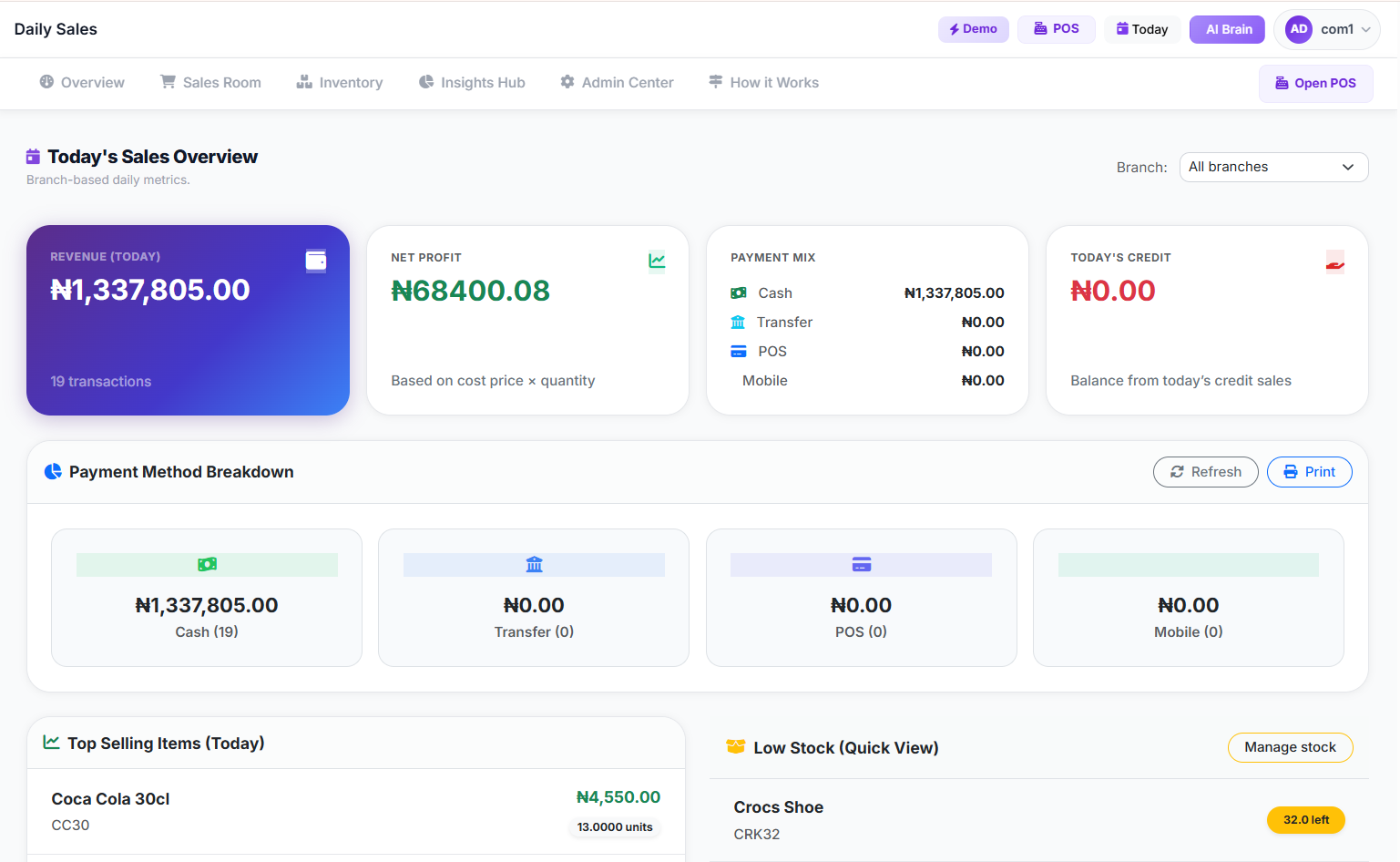
SwiftPOS gives you real-time stock tracking with low-stock alerts, so you never overbuy slow-moving items or run out of fast sellers. The SwiftPOS features page covers the full list, but the ones new shop owners lean on most are inventory management, a customer credit system for regulars who buy on credit, and full profit-and-loss reports that show exactly where your money is going.
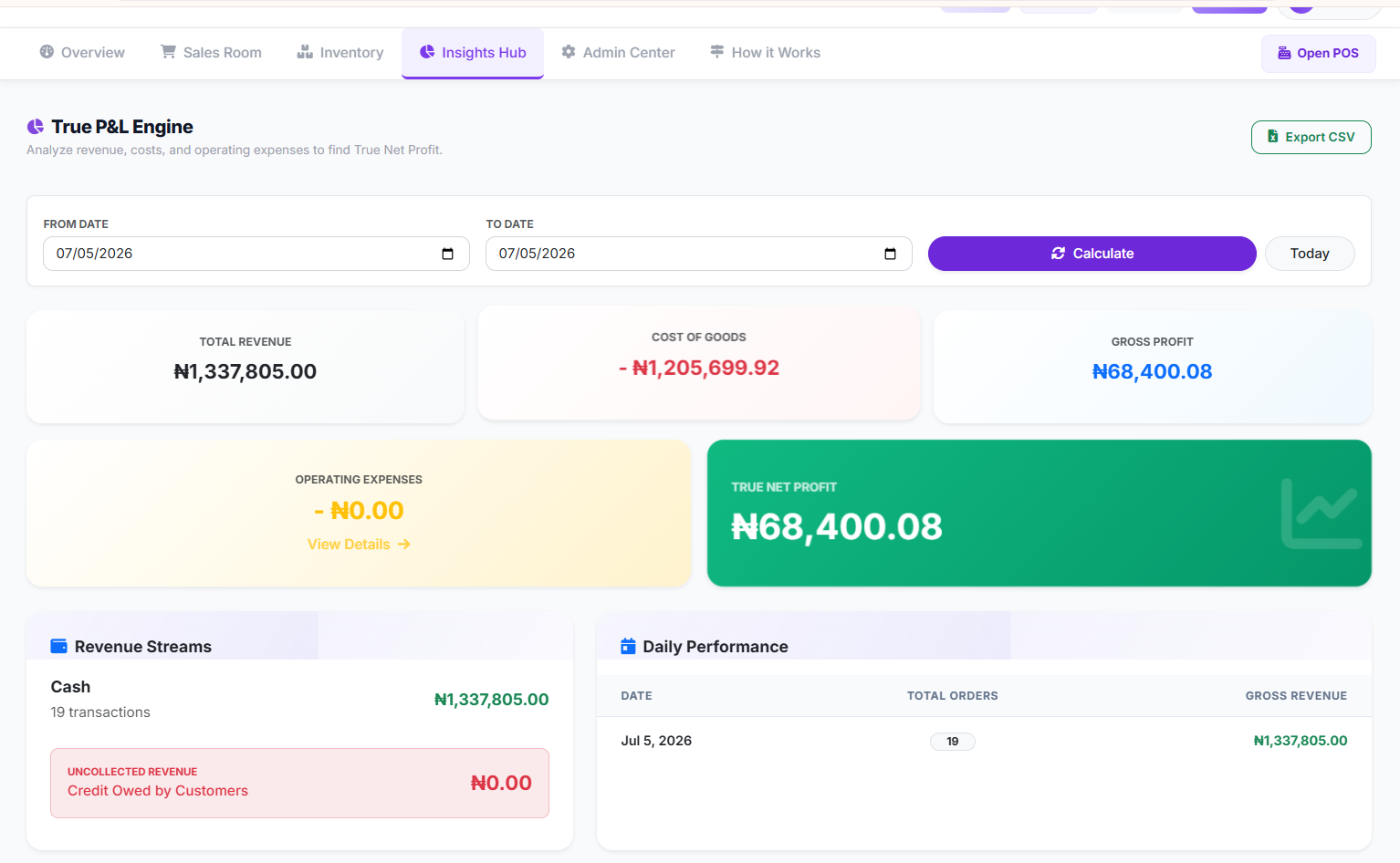
For a shop just starting out, the Starter plan at ₦3,000/month covers up to 100 orders a day, basic sales reports, inventory management, and a customer credit system — enough to run a standard neighborhood store without overspending on software before you even open your doors. Compare all SwiftPOS pricing plans →
Pro Tips for Nigerian Provision Store Owners
- Track prices weekly, not monthly. Prices of basic goods change often in Nigeria — shops that don't adjust regularly quietly lose margin.
- Build supplier relationships early. Better buying prices, not just higher selling prices, are usually what separates a struggling shop from a profitable one.
- Reinvest before you expand. Grow your product range using profit, not fresh debt, and only consider opening a second branch once your first shop is consistently profitable.
Frequently Asked Questions
What is a good profit margin for a provision store in Nigeria?
Margins vary by product, but many small provision stores report daily profits of ₦3,000 to ₦10,000, which can add up to ₦90,000–₦300,000 a month depending on location and stock size.
Can I start a provision store with less than ₦200,000?
Yes, if you already have a shop space and focus on a small range of fast-moving essentials. Many roadside kiosks start this way and grow their stock over time.
Do I need to register my business before I open?
Not necessarily at the very start, but CAC registration becomes important once you want a business bank account, supplier credit, or plan to expand.
Does SwiftPOS help with managing a provision store?
Yes. SwiftPOS handles sales, inventory, customer credit, and reporting in one system, which is especially useful once you move past tracking everything in a notebook.
Is SwiftPOS affordable for a small provision store?
Yes — the Starter plan begins at ₦3,000/month, and you get one month free when you subscribe annually on any plan.
Conclusion
The real answer to "how much does it cost to open a provision store in Nigeria" depends entirely on the size of shop you're building — anywhere from ₦150,000 for a small kiosk to ₦5,000,000+ for a mini supermarket. The key is to budget by item, not by guesswork, and keep a buffer for the slow weeks every new shop goes through. For the operational steps after opening, see our guide on running a profitable provision store or mini-mart in Nigeria.
Ready to manage your shop more efficiently?
SwiftPOS helps businesses track sales, inventory, staff activities, and customer credit in one system.
Check the pricing plans at swiftpos.ng/pricing or message SwiftPOS on WhatsApp at +2349164601810 to get started.
Remember: you get 1 month free when you subscribe annually on any plan.
7 Key Retail Metrics Nigerian Businesses Must Track fo…
Aug 23, 2026
How to Set Up Your SwiftPOS Account: A Step-by-Step On…
Aug 22, 2026
Build Unbreakable Habits: The Ultimate Guide to Lastin…
Aug 19, 2026