How to Prevent Inventory Shrinkage in Retail: A Complete Guide
SwiftPOS Team
Published September 22, 2026

Every Nigerian retailer knows the sting of watching profits vanish. From a missing carton of provisions to inexplicable discrepancies in the till, inventory shrinkage is a silent thief, costing businesses in Nigeria anywhere from ₦5,000 to over ₦150,000 monthly in lost goods. This isn't just about theft; it's about errors, damages, and inefficiencies that chip away at your hard-earned money.
Nigerian shop owner looking concerned at empty shelfThe Realities of Retail Stock Control in Nigeria
In Nigeria's vibrant retail landscape, effective stock loss prevention is not just good practice – it's crucial for survival. Manual record-keeping, while common, is a breeding ground for errors and makes identifying discrepancies nearly impossible. With the average monthly rent for a shop space ranging from ₦7,000 in rural areas to ₦170,000 in prime Lagos locations, every kobo counts. Businesses are constantly battling challenges from various angles: human error in receiving or dispatching goods, internal theft by staff, external shoplifting, and administrative oversights.
According to recent market analysis, inventory shrinkage can account for a significant portion of a retailer's potential profit, often remaining undetected until it’s too late. The cost of initial inventory investment alone can range from ₦150,000 for a small stall to ₦2,000,000 for a medium-sized boutique. Protecting this investment requires a proactive approach. Understanding the true costs of manual operations, as detailed in articles like Hidden Costs of Manual Retail Operations in Nigeria, is the first step towards a healthier bottom line.
What You Need Before You Start
Before diving into specific strategies for retail stock control, ensure you have the foundational elements in place to effectively implement and monitor your efforts.
- Dedicated Capital for Security: Budget for security measures like CCTV (₦80,000 - ₦350,000 one-time) and robust locks (₦5,000 - ₦25,000 one-time).
- Clear Policies: Establish written policies for inventory handling, sales, returns, and staff conduct.
- Trained Staff: Invest in training your employees on proper inventory procedures and the importance of stock loss prevention.
- Reliable Management System: A system that can track inventory accurately is paramount. This moves beyond basic spreadsheets, as highlighted in Nigerian Retailers: Stop Using Spreadsheets & Boost Your Business with POS Software.
- Regular Audits: Plan for consistent stock counts, whether daily, weekly, or monthly, depending on your business size and product turnover.
- Insurance Coverage: Consider annual insurance for goods, which can cost between ₦50,000 and ₦300,000, to mitigate losses from unforeseen events like fire or major theft.
Step-by-Step: Preventing Inventory Shrinkage in Your Shop
Effective stock loss prevention is a continuous process, not a one-time fix. By implementing these steps, you can significantly reduce inventory theft and improve your overall shop management.
Step 1: Implement Robust Receiving Procedures
The moment goods arrive at your shop is critical. Unchecked deliveries are an open invitation to errors and theft. Every item must be verified against the purchase order.
- Detailed Check-in: Assign a specific staff member to oversee all deliveries. They should physically count items and cross-reference them with the supplier's invoice or waybill. Any discrepancies must be noted immediately and reported to the supplier. This prevents "phantom" stock that never arrived but is recorded as present.
- Quality Control: Inspect goods for damage upon arrival. Damaged items should be logged, photographed, and returned or marked for write-off, preventing them from entering salable inventory and later being unaccounted for.
- Secure Storage: Move received goods to a secure, designated storage area as quickly as possible. Leaving them exposed on the shop floor increases the risk of theft or damage before they are even officially on your shelves.
Step 2: Optimize Your Inventory Management System
Manual inventory tracking is prone to errors and makes identifying where stock disappears nearly impossible. Upgrading your system is perhaps the most impactful step you can take.
- Centralized Tracking: Implement a system that provides real-time updates on stock levels across all locations, especially if you manage multiple branches or a central warehouse. This helps you know exactly what you have, where it is, and its value.
- Barcode Scanning: Utilize barcode scanners for all incoming and outgoing stock. This drastically reduces human error during stock adjustments and sales. A basic handheld scanner costs between ₦15,000 and ₦60,000.
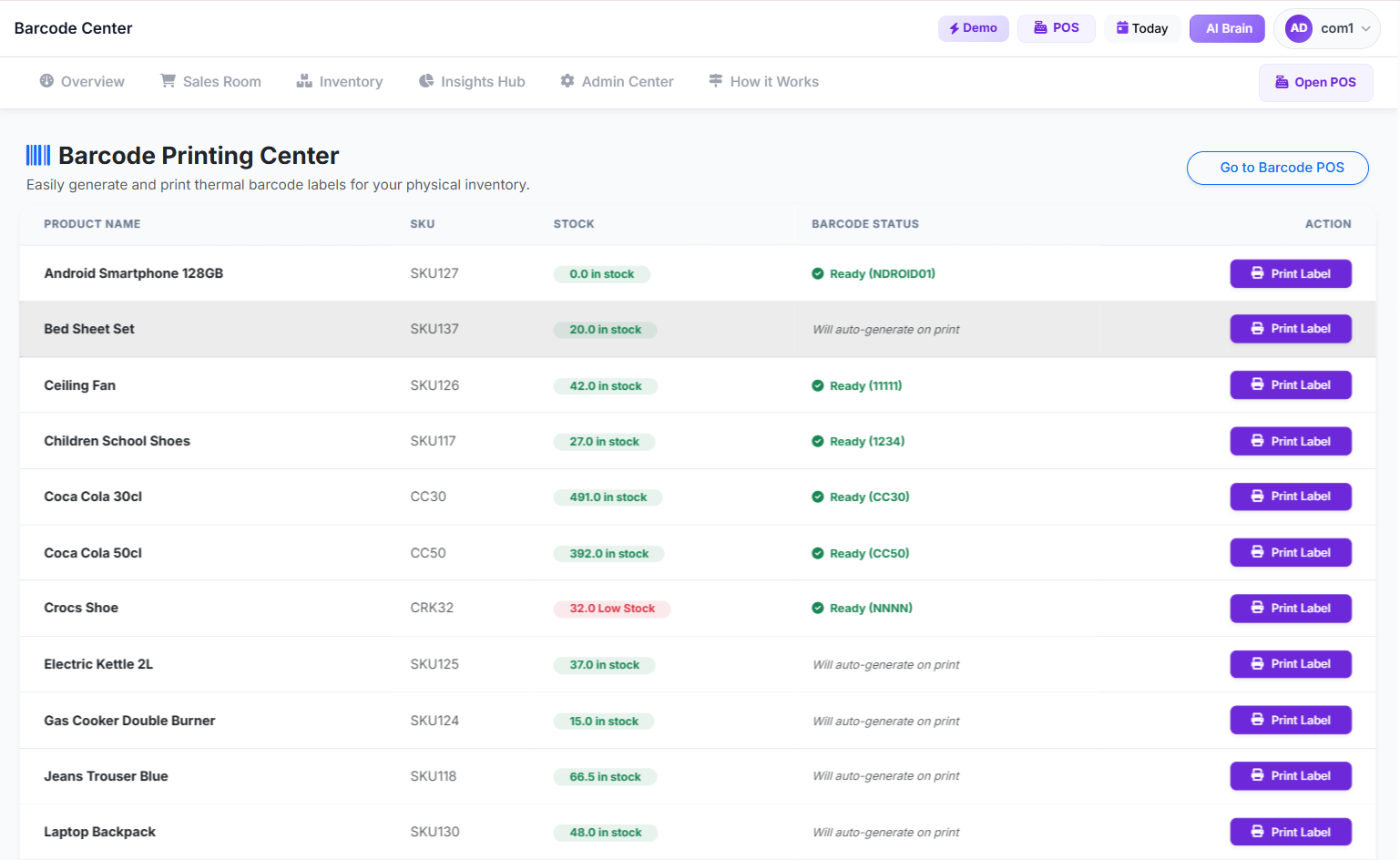 Barcode Printing Center
- Stock Adjustments and History: Ensure your system can accurately record all stock adjustments (returns, damages, transfers, write-offs) and maintain a clear history of these changes. This audit trail is vital for investigating discrepancies.
Step 3: Enhance Physical Security Measures
While digital tools are crucial, physical security remains a cornerstone of stock loss prevention.
- CCTV Surveillance: Install a functional CCTV camera system, costing ₦80,000 to ₦350,000 for purchase and installation. Visible cameras deter potential shoplifters and internal thieves. Ensure cameras cover high-value areas, entrances, exits, and storage rooms.
- Secure Storage Areas: Keep high-value or easily stolen items under lock and key, or in areas with restricted access. Invest in sturdy padlocks and security chains (₦5,000 - ₦25,000) for storage units.
- Access Control: Limit access to stockrooms and sensitive areas to authorized personnel only. Consider using keycard systems or strict key management protocols.
- Security Personnel: For larger stores or those in high-traffic areas, hiring a security guard (monthly salary ₦35,000 - ₦80,000) can provide a visible deterrent and immediate response to incidents.
Step 4: Implement Strong Staff Management and Training
Internal theft by employees is a significant contributor to inventory shrinkage. Proactive staff management can mitigate this risk.
- Thorough Background Checks: Conduct comprehensive background checks on all new hires, especially those handling cash or inventory.
- Clear Policies and Training: Educate staff on company policies regarding inventory handling, sales procedures, and the consequences of theft. Regular training sessions can reinforce these guidelines.
- Role-Based Permissions: Restrict staff access within your POS and inventory system based on their roles. A cashier should not have the same access as a manager. This is a key feature in systems that allow you to set staff access permissions.
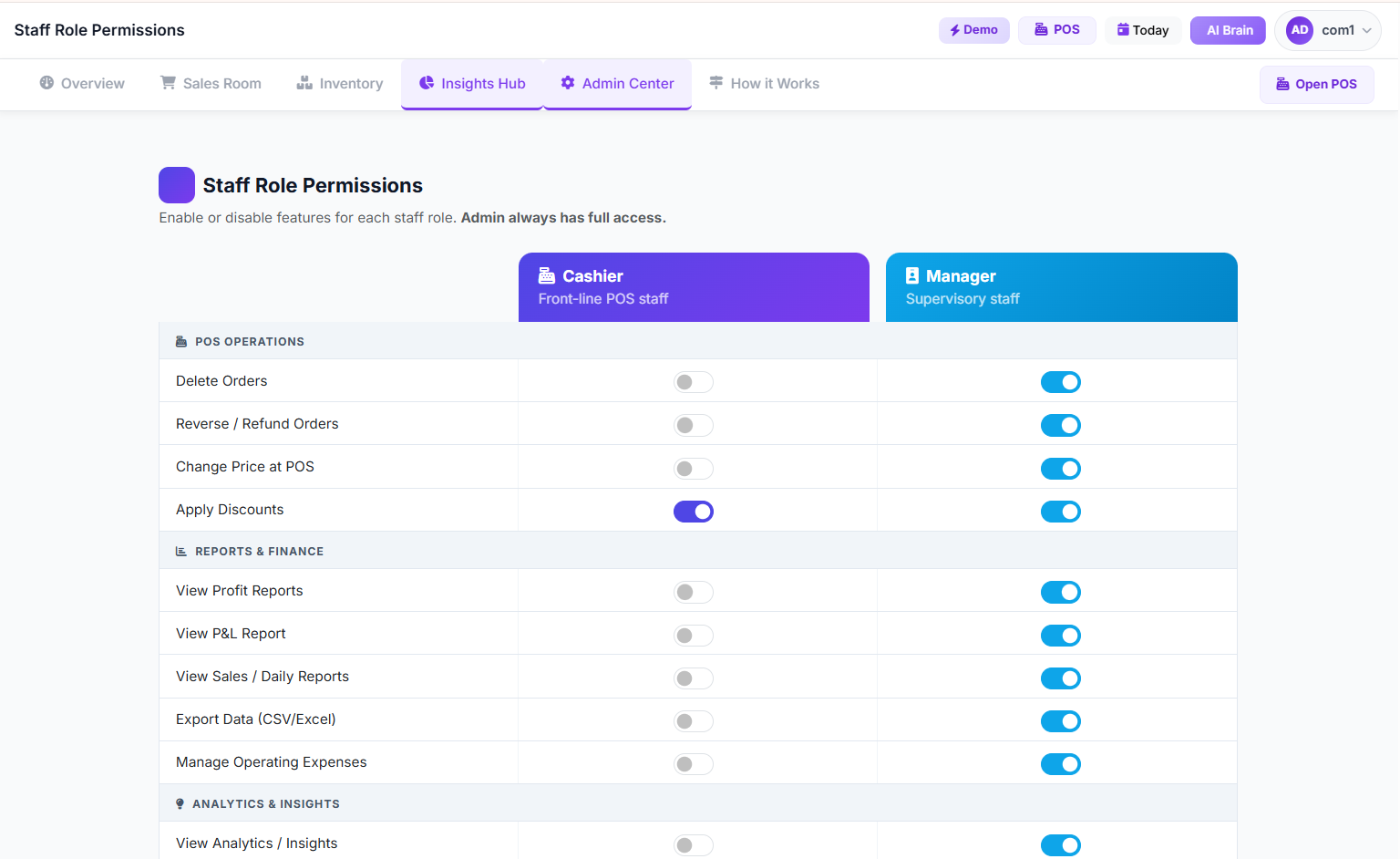 Staff Roler Permissions Page
- Supervision and Audits: Actively supervise staff, especially during opening, closing, and busy periods. Conduct random bag checks and till audits.
- Whistleblower Policy: Establish a confidential reporting mechanism for staff to report suspicious activities without fear of retaliation.
Step 5: Master Your Sales Floor and Point-of-Sale (POS) Operations
The sales floor is where many opportunities for shrinkage arise, from shoplifting to errors at the checkout.
- Strategic Layout: Arrange your store layout to maximize visibility and minimize blind spots. Place high-value items near checkout counters or in well-monitored areas.
- Customer Service: Engaged staff can deter shoplifters. Greet every customer and offer assistance; this presence often makes thieves uncomfortable.
- POS Accuracy: Ensure all sales are accurately processed through your POS system. Use barcode scanning to prevent manual entry errors and ensure correct pricing.
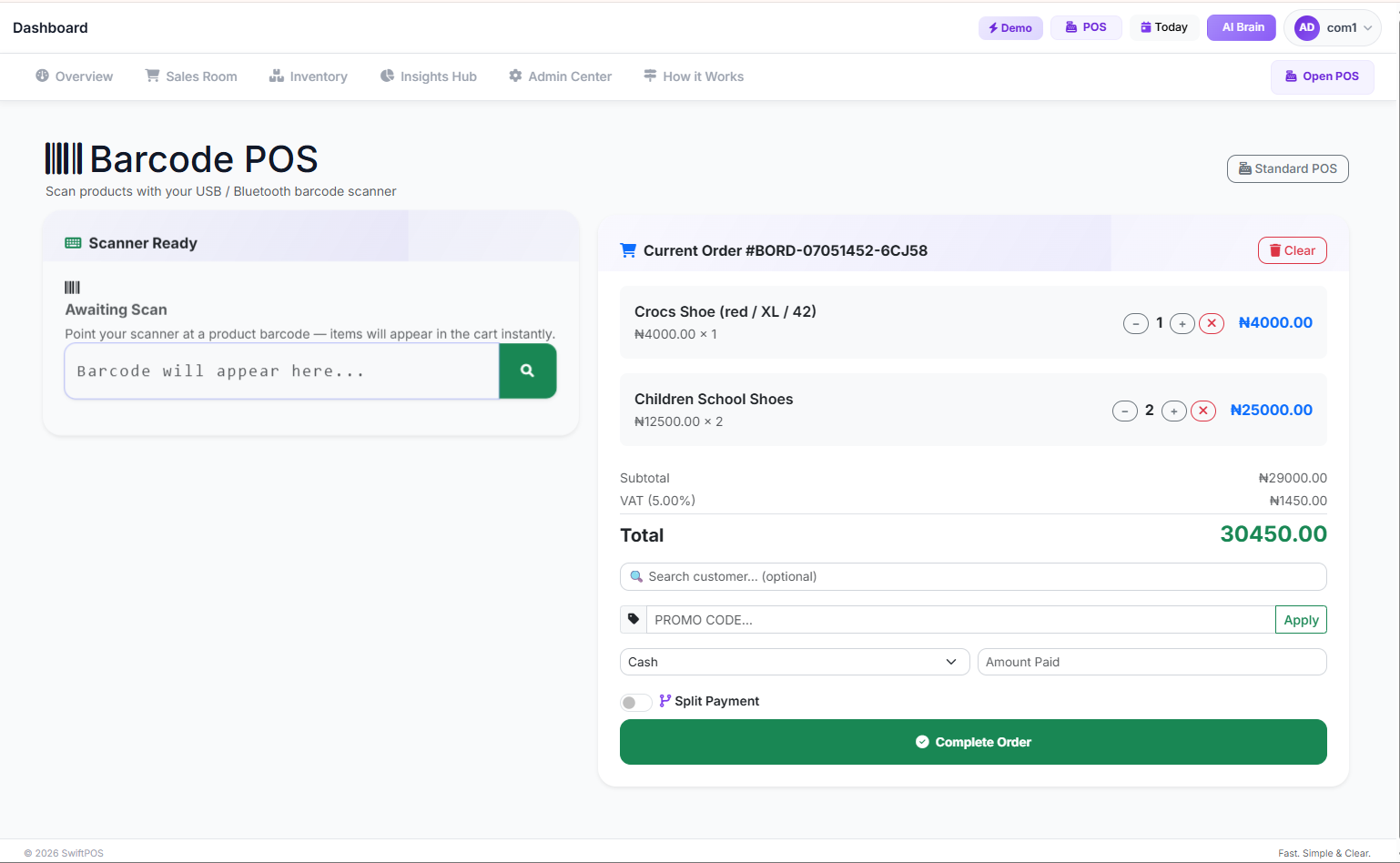 Barcode POS Interface
- Returns and Exchanges: Implement a strict policy for returns and exchanges, requiring proof of purchase and manager approval for certain transactions. This prevents fraudulent returns.
- Self-Checkout Monitoring: If using self-checkout kiosks, ensure there's adequate staff supervision to prevent "sweethearting" (where a cashier or customer intentionally mis-scans or undercharges items) or outright theft. SwiftPOS offers an that maintains cashier oversight for payment collection, a crucial step in preventing losses.
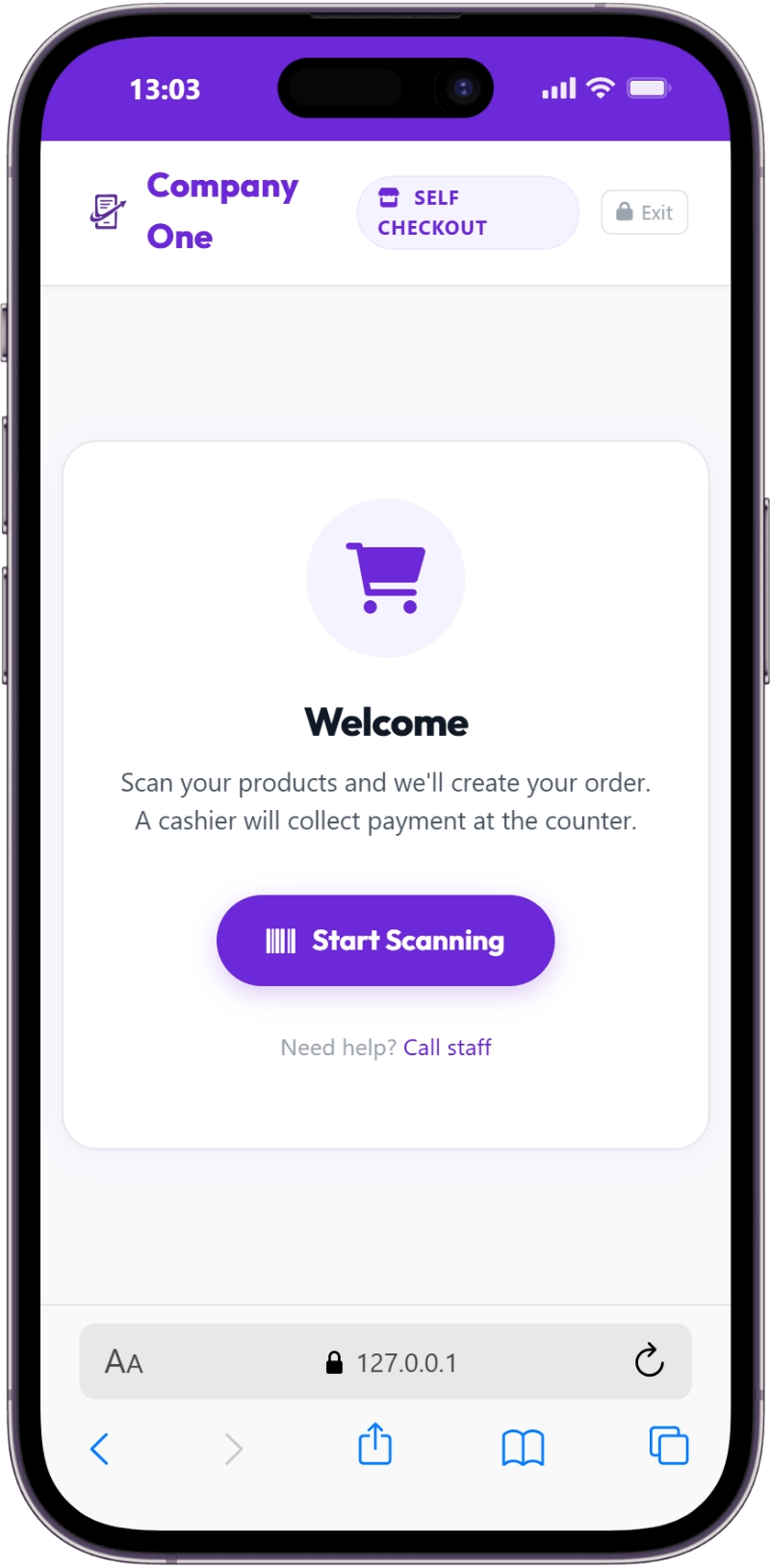 assisted self-checkout solution
Common Mistakes to Avoid
Even with the best intentions, retailers can fall into traps that contribute to inventory shrinkage.
- Neglecting Regular Stock Counts: Relying solely on your POS system's numbers without physical verification is a recipe for disaster. Discrepancies build up over time, making it harder to pinpoint the source of loss.
- Lack of Staff Training: Assuming staff inherently know how to handle inventory or identify theft indicators is a critical oversight. Inadequate training leads to errors and missed opportunities for prevention.
- Ignoring Small Losses: A few missing items here and there might seem insignificant, but they accumulate rapidly. Consistent small losses often indicate systemic issues or ongoing theft.
- Poorly Secured Backrooms: Treating storage areas as less important than the sales floor is a mistake. Unsecured backrooms are prime targets for internal theft.
- Over-reliance on Manual Processes: Using paper ledgers or basic spreadsheets for a growing business is inefficient and error-prone, making accurate inventory tracking almost impossible. This issue is deeply explored in Nigerian Retailers: Stop Using Spreadsheets, Get a POS System.
- Failing to Analyze Data: Collecting sales and inventory data without analyzing it for trends, discrepancies, or suspicious activity means you're missing valuable insights that could inform your stock loss prevention strategies.
How to Track and Grow After Launch
Implementing stock loss prevention strategies is an ongoing effort that requires continuous monitoring and adaptation. To truly grow your business, you need to track your progress and leverage insights.
- Regular Inventory Audits: Conduct periodic full inventory counts to reconcile physical stock with your system's records. For small shops, this might be monthly; for larger operations, quarterly or semi-annually. This helps identify the extent of shrinkage and where it's occurring. Outsourcing physical stock count labor can cost ₦8,000 - ₦15,000 per day.
- Analyze Sales Data: Look beyond just total sales. Analyze sales by item, category, and staff member. Are certain products disappearing more frequently than others? Are there unusual patterns in sales returns or voids?
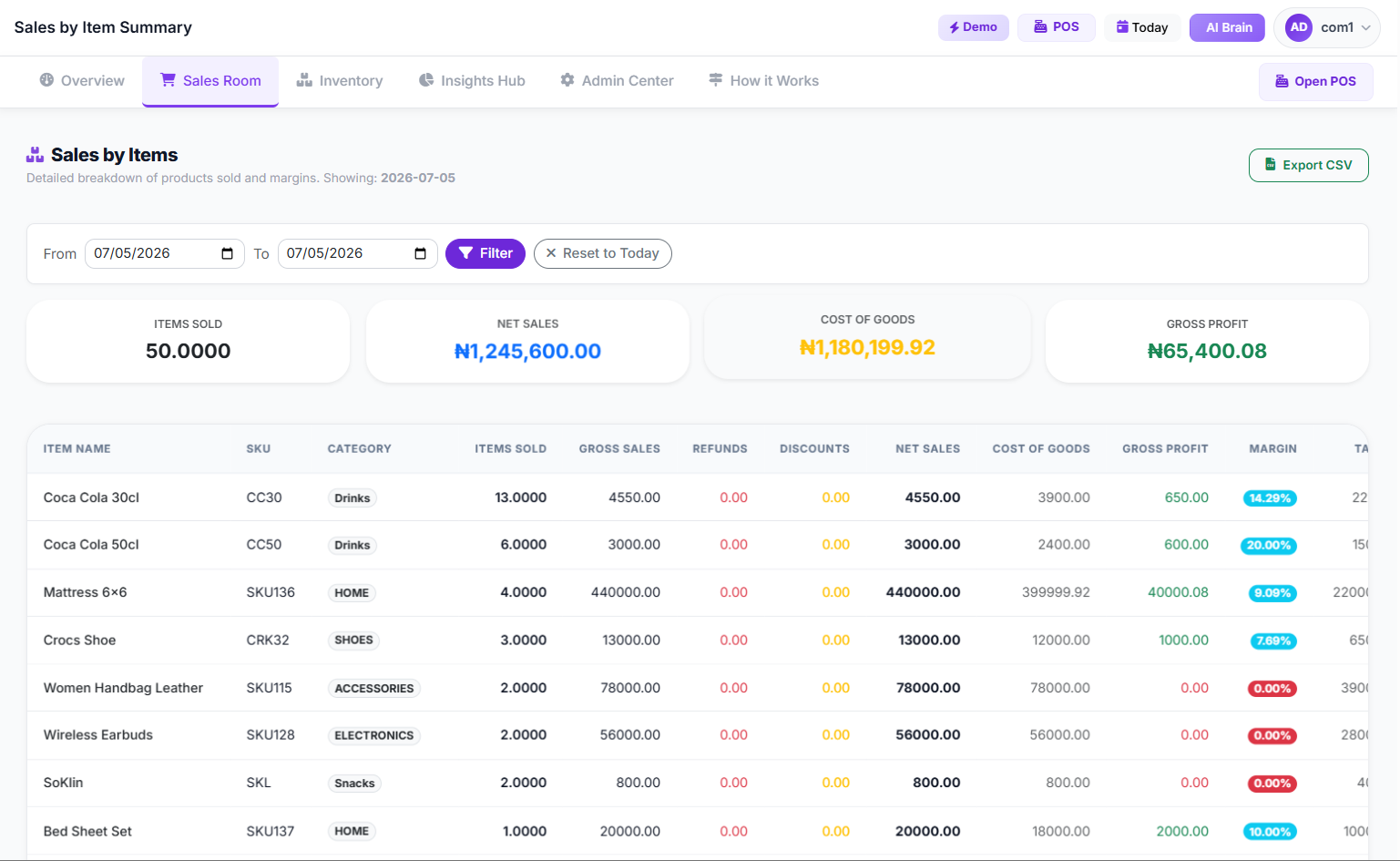 Sales By Item Page
- Monitor Key Performance Indicators (KPIs): Track metrics like shrinkage percentage (lost inventory value / total sales value), sales per employee, and return rates. These KPIs provide a clear picture of your efficiency and areas needing improvement.
- Review Security Footage: Regularly review CCTV footage, especially in cases of suspected theft or unexplained inventory discrepancies.
- Staff Performance Reviews: Use data from your POS system to review staff performance related to sales accuracy, return processing, and adherence to inventory procedures.
- Leverage Business Insights: A good business management system will offer insights into your operations. For example, SwiftPOS NG provides a that can highlight revenue changes, strong-performing products, and inventory problems, helping you focus on critical issues. Understanding these insights is crucial for forecasting and preventing future stock loss, as discussed in How to Predict When Products Will Run Out of Stock in Nigeria.
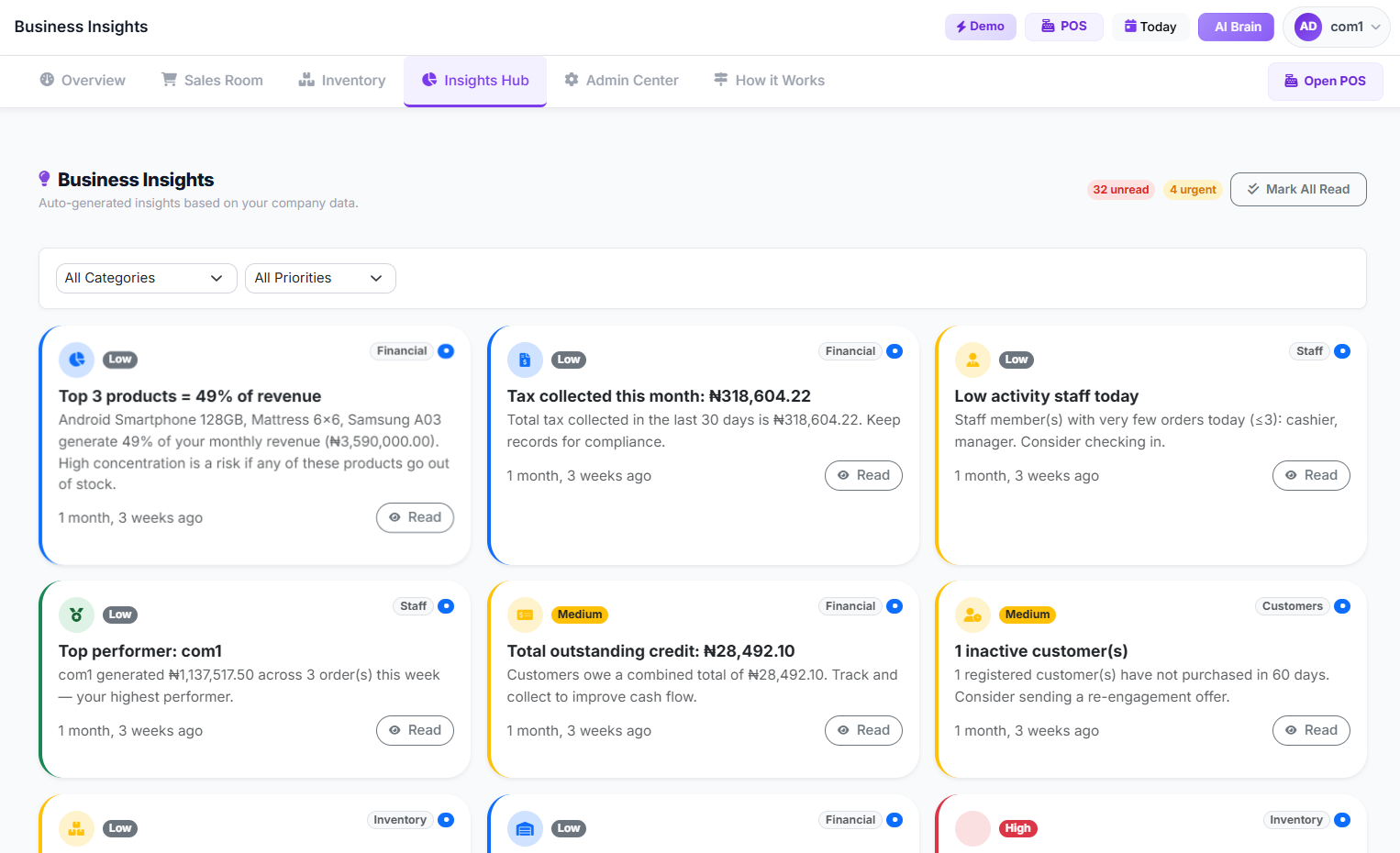 Business Insights Page
 Retail shop interior with data dashboards
Frequently Asked Questions
Q1: What is inventory shrinkage, and how does it affect my profit?
Inventory shrinkage refers to the loss of inventory due to factors other than sales, such as shoplifting, employee theft, administrative errors, vendor fraud, and damage. It directly reduces your gross profit because you've paid for goods that you cannot sell, impacting your overall business profitability. If your estimated monthly loss from shrinkage is ₦50,000, that's ₦600,000 annually that could have been profit.
Q2: How much should I invest in security measures for my small shop?
The investment depends on the value of your inventory and your location. A basic CCTV system can start from ₦80,000, while robust locks might cost ₦5,000 - ₦25,000. For valuable inventory, an annual insurance premium of ₦50,000 - ₦300,000 is a wise consideration. Start with essential security and scale up as your business and inventory value grow.
Q3: Can a POS system really help prevent inventory theft?
Absolutely. A robust POS system like SwiftPOS NG helps prevent inventory theft by providing real-time stock tracking, detailed sales records, staff activity logs, and the ability to set role-based permissions. It flags suspicious activities like excessive voids or discounts, making it harder for internal theft to go unnoticed. This is a significant upgrade from traditional bookkeeping.
Q4: How often should I conduct a full physical inventory count?
For most small to medium-sized retail businesses in Nigeria, a full physical inventory count quarterly is a good starting point. High-turnover businesses or those with expensive inventory might benefit from monthly counts. Daily spot checks on high-value or fast-moving items are also recommended. The goal is to identify discrepancies quickly.
Q5: What are the signs of internal employee theft?
Signs of internal theft can include consistent discrepancies between sales records and physical inventory, unusually high voided transactions or returns, staff reluctance to take holidays, unexplained cash shortages, and a resistance to using proper inventory procedures. A system that tracks
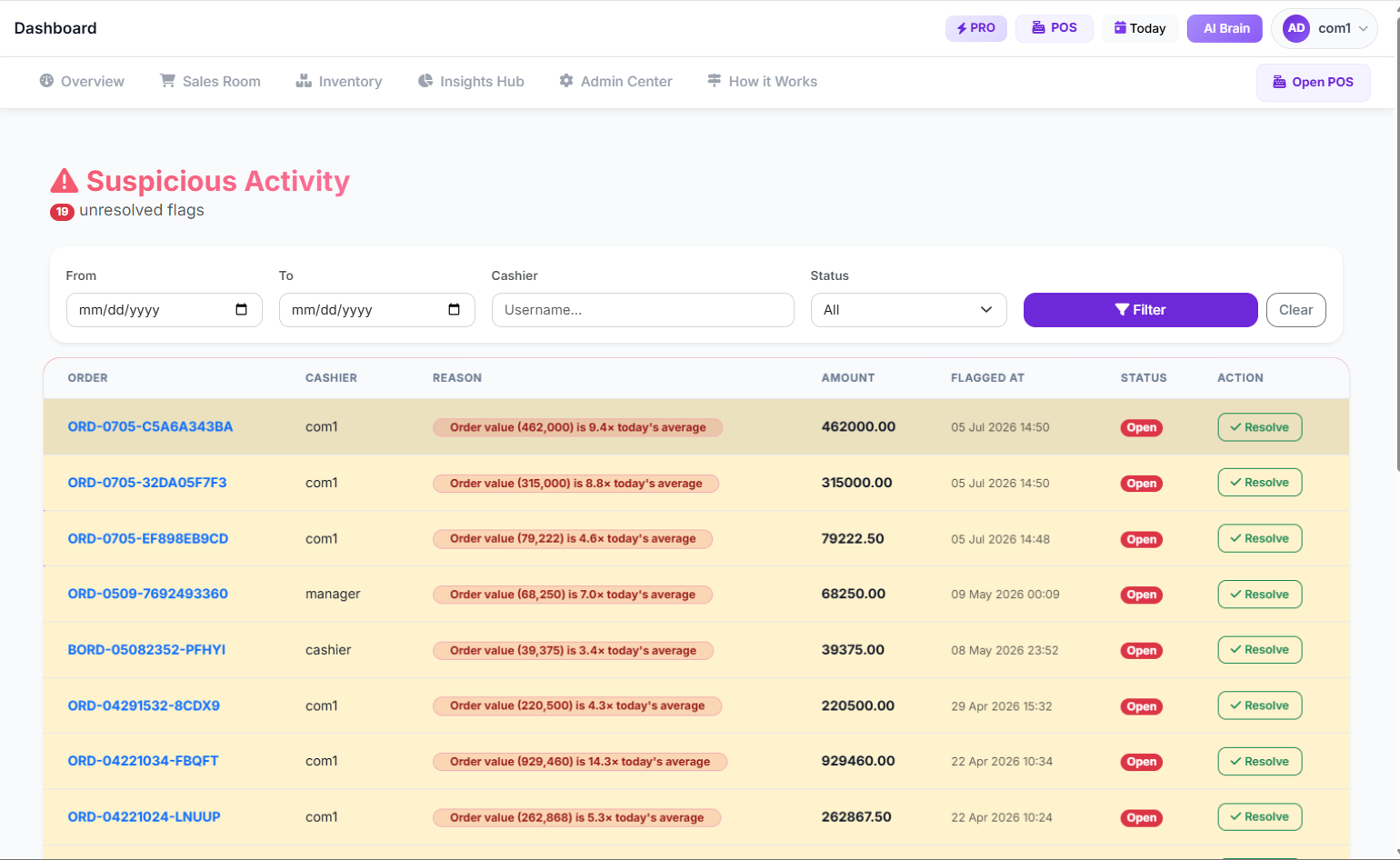 suspicious activity
Ready to Secure Your Profits?
Don't let inventory shrinkage continue to eat into your hard-earned profits. Take control of your stock and secure your business's future. Explore how a comprehensive business management and POS system can transform your operations. Visit our features page to learn more about how SwiftPOS NG can help you achieve better stock loss prevention and overall shop management. If you're ready to get started, you can also check out our pricing page for plans that fit your business needs.

Assisted Self-Checkout for Retailers: How It Works & W…
Sep 20, 2026
10 Reasons Nigerian Retailers Lose Money (and How to F…
Sep 19, 2026
Why Your Business Makes Sales But Has No Cash (Profita…
Sep 17, 2026