
How to Start a Profitable Supermarket Business from Scratch in Nigeria
Quick Summary: Starting a supermarket in Nigeria requires more than stocking shelves and opening your doors. This guide walks you through every major step — from writing your business plan to choosing the right location, managing staff, and setting up the systems that keep a supermarket profitable long-term.
The supermarket business is one of the most consistently profitable retail ventures in Nigeria. People need food, household goods, and daily essentials regardless of the economy — which makes a well-run supermarket remarkably resilient compared to other businesses.
But the keyword there is well-run. Many supermarkets in Nigeria struggle or fail within the first two years — not because the idea was wrong, but because the execution lacked structure. Poor inventory control, unaccounted losses, weak staff management, and no financial visibility are the real killers.
This guide will show you exactly how to start a supermarket from scratch in Nigeria, build it on the right foundation, and set it up to be genuinely profitable — not just busy.

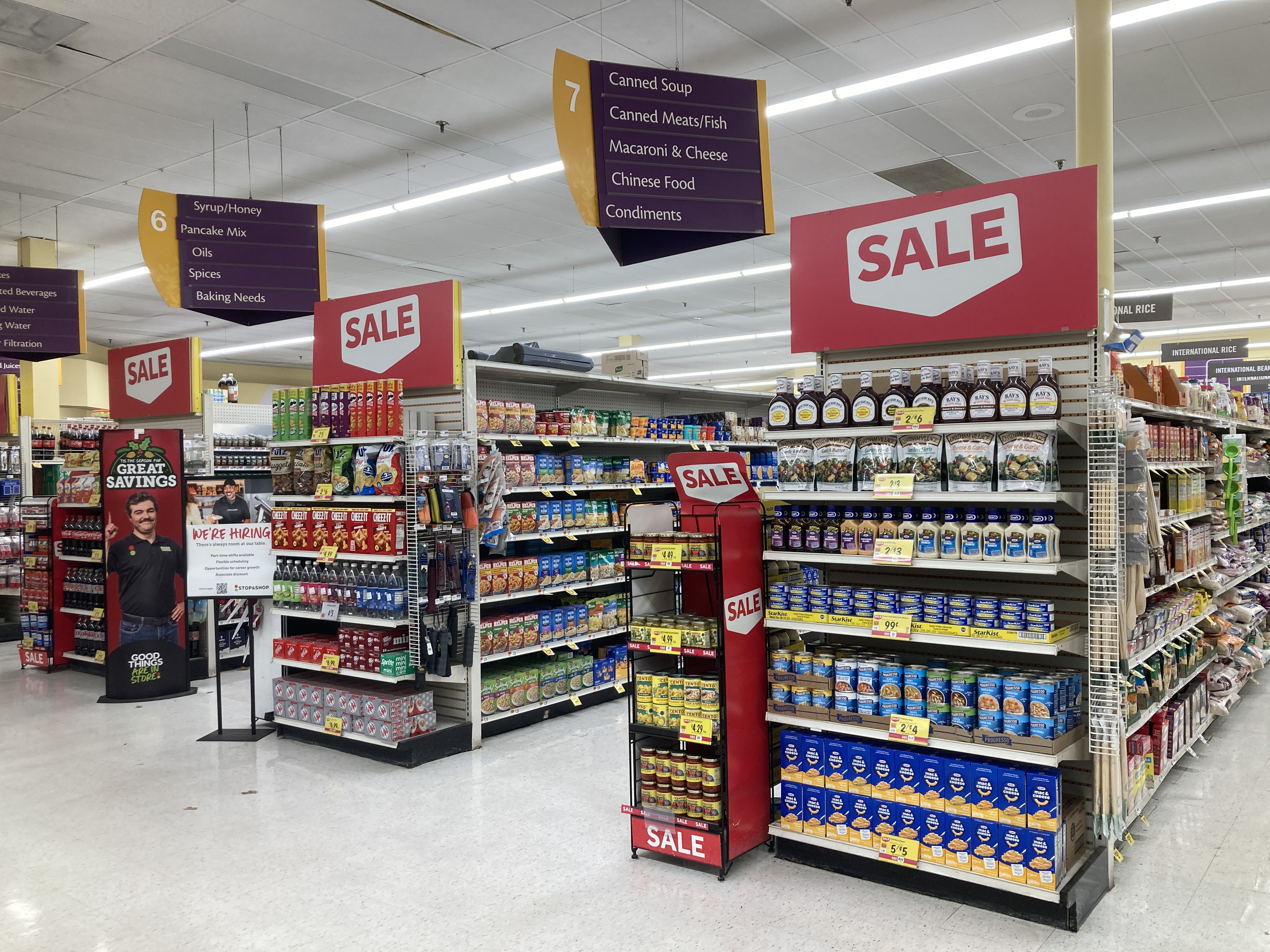
A well-organised, well-stocked supermarket builds customer trust from the first visit.
Step 1: Write a Realistic Supermarket Business Plan
Before spending a single naira, you need a business plan — and not a template downloaded from the internet. A real, honest plan built around your specific situation.
Your supermarket business plan should answer these core questions:
- What kind of supermarket are you opening? Neighbourhood mini-mart, full supermarket, or niche grocery store?
- Who is your target customer? Working-class families, middle-income households, or a mixed demographic?
- Where will you operate? What is the competitive landscape in that area?
- How much capital do you have — and how much do you need?
- What is your projected break-even timeline?
- How will you manage operations, staff, and inventory?
The Small and Medium Enterprises Development Agency of Nigeria (SMEDAN) provides frameworks and support for new retail businesses, including guidance on business registration and funding pathways worth exploring early in your planning stage.
A solid business plan also becomes your pitch document if you need financing from a bank, cooperative, or investor.
Step 2: Decide on Your Supermarket Type and Scale
Not all supermarkets are built the same way, and trying to start too big too fast is one of the most common mistakes. Match your starting scale to your available capital and operational capability.
| Type | Approx. Starting Capital | Best For |
|---|---|---|
| Mini-mart / Corner shop | ₦500,000 – ₦2M | Residential areas, first-time owners |
| Neighbourhood supermarket | ₦3M – ₦10M | Mid-density areas, growing estates |
| Full supermarket | ₦10M+ | High-traffic commercial locations |
Starting small and scaling intelligently beats overextending your capital on a large store you can't yet fill or manage efficiently. Many of Nigeria's most successful retail chains began as single neighbourhood shops.
Step 3: Choose the Right Location
In retail, location is not just important — it is arguably the single biggest factor in whether your business succeeds or struggles. A great supermarket in the wrong location will underperform. A basic one in the right spot can thrive from day one.
Evaluate locations based on:
- Foot traffic and vehicle access — Is it easy for people to get to you?
- Proximity to your target customers — Are the people you want to serve actually nearby?
- Parking availability — Especially important for medium-to-large supermarkets
- Competition density — How many similar shops are within walking distance?
- Estate and residential growth — Is the area growing or declining?
- Rent-to-revenue ratio — Can projected sales comfortably cover rent?
A general rule of thumb: your monthly rent should not exceed 5–8% of your projected monthly revenue. If a location's rent doesn't fit this range, the margin pressure will make profitability very difficult.
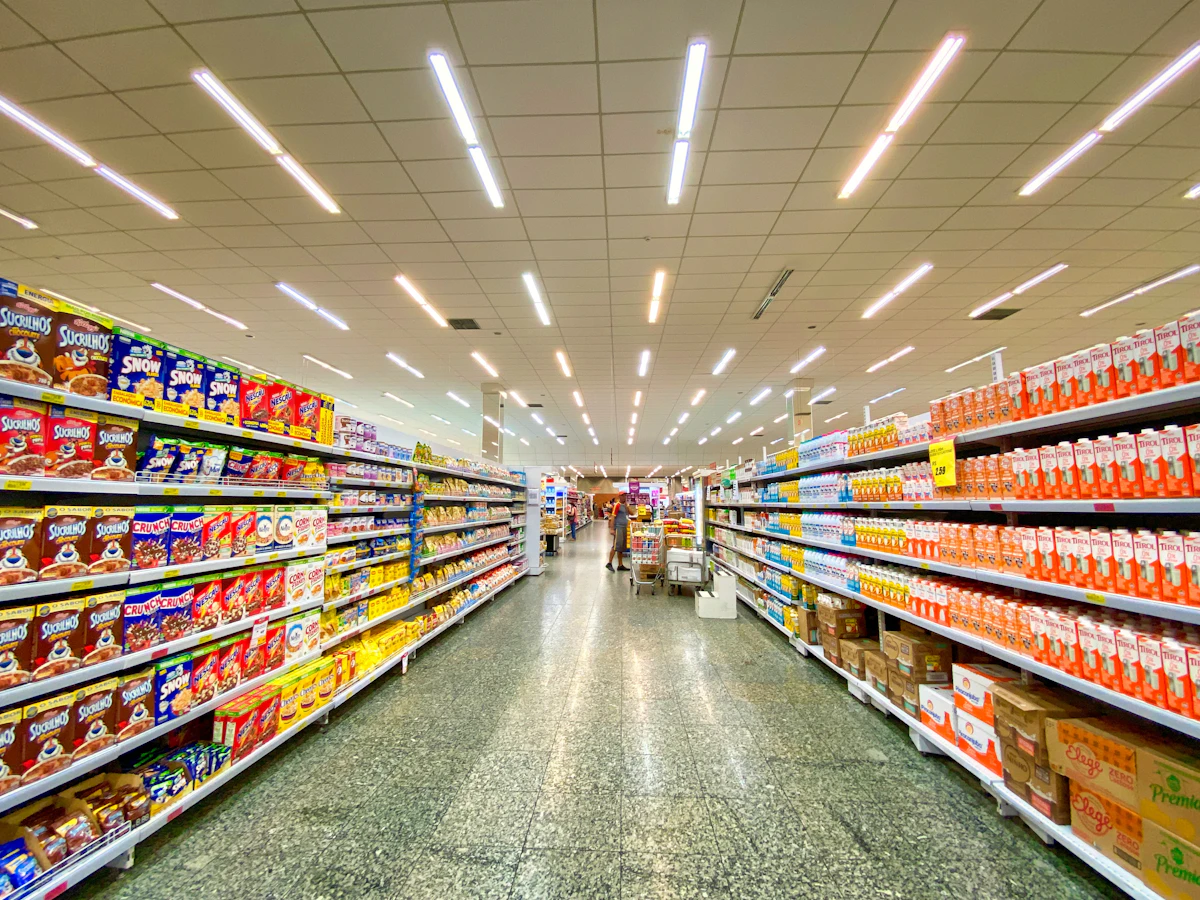
Location is the single biggest driver of supermarket revenue — choose it with data, not intuition.
Step 4: Register Your Business and Handle Compliance
Operate as a formal business from the start. This protects you legally, makes banking easier, and opens doors to supplier credit and financing that informal operators can't access.
Key registration steps in Nigeria:
- CAC registration — Register your business name or company with the Corporate Affairs Commission
- Tax Identification Number (TIN) — Required for formal banking and large supplier relationships
- State-level business permit — Required in most states to legally operate a retail store
- NAFDAC considerations — If selling food, beverages, or pharmaceutical products, some categories require NAFDAC registration
Compliance is not just about avoiding fines — it signals credibility to suppliers, banks, and high-value customers.
Step 5: Source Your Products and Build Supplier Relationships
Your product range and supplier relationships will directly determine your margins. In supermarket retail, buying at the right price is as important as selling at the right price.
Build your product sourcing strategy around three tiers:
- Fast-moving consumer goods (FMCG): Noodles, rice, cooking oil, beverages, toiletries — the daily necessities that drive customer visits. Source directly from distributors or manufacturers for the best prices.
- Fresh produce: If you stock perishables, establish reliable supply chains with local markets, farms, or wholesale distributors. Perishables need tight inventory control to avoid waste.
- Premium and niche products: Imported goods, personal care items, or specialty foods that carry higher margins and differentiate your shop.
Negotiate payment terms early. Many FMCG distributors offer 7–30 day credit terms to established retail accounts — this improves your cash flow significantly once you've built the relationship.
Also negotiate on minimum order quantities. As a new business, you don't want to be sitting on six months of slow-moving stock because a supplier insisted on a large minimum order.
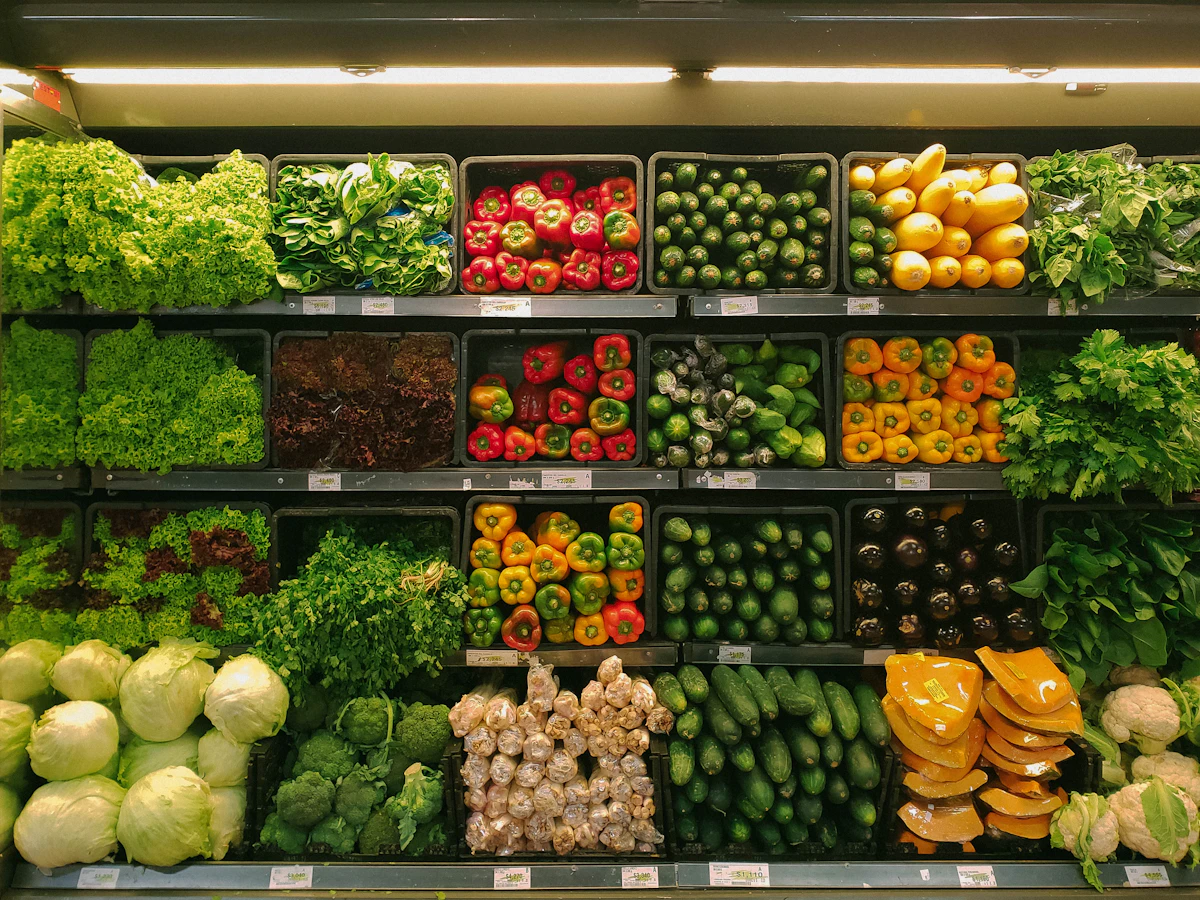
Strong supplier relationships and smart restocking strategies protect your margins from day one.
Step 6: Set Up Your Store Layout for Sales Performance
The layout of your supermarket directly influences how much customers spend per visit. There is real science behind retail store design, and even basic principles applied well can noticeably lift your average basket size.
Key layout principles for Nigerian supermarkets:
- Place essentials at the back — Rice, cooking oil, and daily staples draw customers deep into the store, exposing them to more products along the way
- Use eye-level shelf space for high-margin items — The shelves customers see first are prime real estate
- Group complementary products — Place pasta near tomato paste, beverages near snacks, baby food near diapers
- Keep checkout areas clear and efficient — Slow checkout kills customer experience and discourages return visits
- Use promotional end-caps — The shelving at the end of aisles is excellent for deals, new products, and seasonal items
Step 7: Hire and Train the Right Staff
Your staff are your business when you're not on the floor. For a supermarket, you'll typically need cashiers, shelf stockers, a store supervisor, and potentially a security guard and cleaner depending on your scale.
Beyond hiring, the key challenge in retail staffing is accountability. Without a proper system, staff-related losses — from both honest mistakes and deliberate theft — can quietly drain 3–10% of your revenue.
This is why every staff member at your POS should have their own login credentials, with every transaction tied to their account. When something doesn't balance, you can trace exactly who processed what and when — something that's impossible with a shared till or a manual cash book.
Step 8: Implement the Right Technology from Day One
This is the step most new supermarket owners skip — and it becomes the most expensive mistake. Starting with proper systems from day one is far easier than retrofitting them after bad habits and losses have already set in.
At minimum, a new supermarket needs:
- A POS system — to process sales, issue receipts, and record every transaction
- Inventory management — to track stock in real time and trigger reorder alerts
- Staff management — individual logins, access levels, and audit trails
- Sales reporting — daily, weekly, and monthly visibility into what's working
- Customer credit tracking — if you plan to extend credit to regular customers
SwiftPOS is a cloud-based POS and retail management platform built specifically for businesses like yours in Nigeria. It handles all of the above in one system — no paper, no guesswork, no end-of-day reconciliation nightmares.
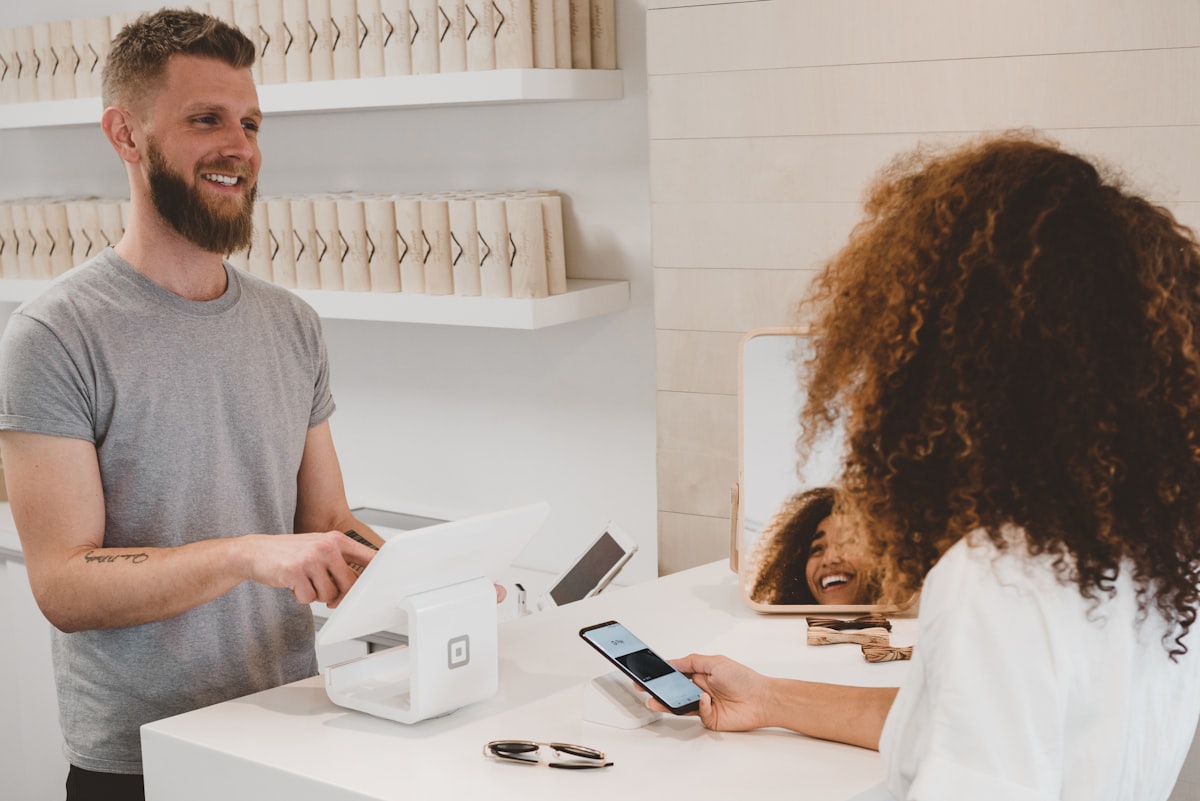
A cloud POS system like SwiftPOS keeps every transaction recorded, every product tracked, and every naira accounted for.
Step 9: Price Your Products for Profit, Not Just Competition
Pricing in retail is a balancing act. Price too high and you lose customers to competitors. Price too low and you're busy but not profitable.
Use this framework as a starting point:
- Know your cost per unit including logistics — Your buying price plus transportation, not just the invoice figure
- Apply category-appropriate margins — FMCG typically runs 5–15% margin; personal care and non-food items often allow 20–40%
- Price relative to the market, not just the cost — If your competition sells a product for ₦1,800 and your cost allows it, matching that price builds trust while still generating profit
- Use promotional pricing strategically — Loss-leader products draw traffic; make sure high-margin items are prominently displayed alongside them
Your P&L reports from your POS software will show you product-level profitability — use that data to continuously refine your pricing and product mix.
Step 10: Build Customer Loyalty from the First Week
Repeat customers are the foundation of supermarket profitability. The cost of acquiring a new customer is significantly higher than retaining an existing one — and in a neighbourhood supermarket, word-of-mouth from satisfied regulars is your most effective marketing.
Practical loyalty-building tactics for new supermarkets:
- Remember regular customers by name — personal service is your edge over large chains
- Keep popular products consistently in stock — nothing loses a loyal customer faster than repeated stock-outs
- Offer structured credit to trusted regulars — with a proper credit tracking system, this builds deep loyalty without the usual risk
- Use WhatsApp for simple promotions and restocking notifications to your top customers
- Keep your shop clean, cool, and well-lit — the shopping environment matters more than most owners realise

Loyal customers are built through consistent stock availability, good service, and a clean shopping environment.
How Much Does It Cost to Start a Supermarket in Nigeria?
Startup costs vary significantly by scale and location, but here's a realistic cost framework for a small-to-medium neighbourhood supermarket:
| Cost Item | Estimated Range |
|---|---|
| Shop rent (6–12 months advance) | ₦600,000 – ₦3,000,000 |
| Shop fitting, shelving, fridge units | ₦400,000 – ₦2,000,000 |
| Opening stock | ₦1,000,000 – ₦5,000,000 |
| Generator and power setup | ₦200,000 – ₦800,000 |
| POS and retail management software | From ₦3,000/month (SwiftPOS) |
| Business registration (CAC) | ₦20,000 – ₦50,000 |
| Working capital buffer | ₦200,000 – ₦500,000 |
The total range for a credible small-to-medium supermarket launch is typically ₦2.5M – ₦12M, depending heavily on your location and starting inventory depth. Starting leaner and restocking quickly from early revenue is often smarter than tying up all your capital in initial stock.
The Role of a POS System in Running a Profitable Supermarket
If there's one investment every new supermarket owner should prioritise before opening day, it's a proper POS and inventory management system. Here's why:
A supermarket with 200–500 SKUs, multiple staff, daily cash transactions, and credit customers cannot be managed profitably on paper. The variables are too many, the transactions too frequent, and the margin for error too small.
With SwiftPOS, new supermarket owners get:
- 📦 Real-time inventory tracking — Stock levels update automatically with every sale
- 🔔 Low stock alerts — Know when to reorder before you run out
- 🧾 Barcode POS scanning — Fast, accurate checkout for high-volume transactions
- 👥 Staff management with individual logins — Every transaction traceable to a specific cashier
- 📊 Full P&L reports — Know your daily, weekly, and monthly profitability at a glance
- 🤝 Customer credit system — Track credit per customer with full balance visibility
- 🏪 Multi-branch support — Ready to scale when you open your second location
SwiftPOS plans start at just ₦3,000/month — less than the cost of one staff member's daily wage. See the full plan comparison at swiftpos.ng/pricing.
Frequently Asked Questions
Is a supermarket business profitable in Nigeria?
Yes — when properly managed. Supermarkets dealing in fast-moving consumer goods operate on thin per-unit margins but high transaction volumes. A well-located, well-stocked supermarket with controlled operating costs and minimal stock losses can achieve strong monthly profitability.
How long does it take to break even on a supermarket?
For most small-to-medium supermarkets in Nigeria, break-even typically occurs between 6 and 18 months, depending on starting capital, location, operating costs, and how efficiently the business is managed from the start.
Do I need a large shop to start a supermarket?
No. Many profitable supermarkets in Nigeria operate from 200–500 square metre shops. What matters more than size is how well you use the space, how strategically you curate your product range, and how efficiently you manage your operations.
Can I run a supermarket without a POS system?
Technically yes, but practically, it's one of the most expensive shortcuts you can take. Manual cash management in a high-volume retail environment leads to undetected losses, inaccurate stock counts, and no reliable financial visibility — all of which quietly erode profitability.
What is the best POS software for supermarkets in Nigeria?
SwiftPOS is purpose-built for Nigerian retail businesses, offering barcode scanning, inventory management, staff controls, P&L reporting, and customer credit tracking — at plans starting from ₦3,000/month.
Your Supermarket Can Be Built to Last
Starting a profitable supermarket in Nigeria is absolutely achievable — but it rewards those who plan carefully, start with the right systems, and manage the details that most people overlook. The businesses that struggle are usually those that focused entirely on stocking shelves and ignored the operational backbone: inventory control, staff accountability, financial tracking, and customer management.
Get those foundations right from day one, and you'll be building something that compounds in value month after month.
Ready to set up your supermarket the right way?
SwiftPOS gives new and growing supermarket businesses in Nigeria a complete POS, inventory, staff, and reporting system — starting from ₦3,000/month. Get your first month free on any annual plan.
- 🔗 Compare plans: swiftpos.ng/pricing
- 💬 WhatsApp us: +2349164601810
- 🎁 1 month free when you subscribe annually on any plan
