
How to Start a Supermarket Business in Nigeria: A Step-by-Step Guide for Beginners

Starting a supermarket business in Nigeria is one of the most rewarding entrepreneurial decisions you can make — but only if you approach it the right way. Nigeria's retail sector is growing fast. With a population of over 220 million people and rising consumer spending in urban areas, there has never been a better time to enter the supermarket industry.
But here's the truth most beginners don't hear upfront: most supermarkets that fail in their first two years don't fail because of location or product selection. They fail because of poor financial tracking, uncontrolled inventory, weak staff oversight, and no system to monitor daily sales. The business side of running a supermarket is where most people get it wrong.
This guide will walk you through everything — from writing your business plan to choosing the right technology — so you start smart and stay profitable from day one.
How to plan, register, fund, stock, and operate your supermarket in Nigeria — including the tools and systems modern supermarket owners are using to stay ahead.
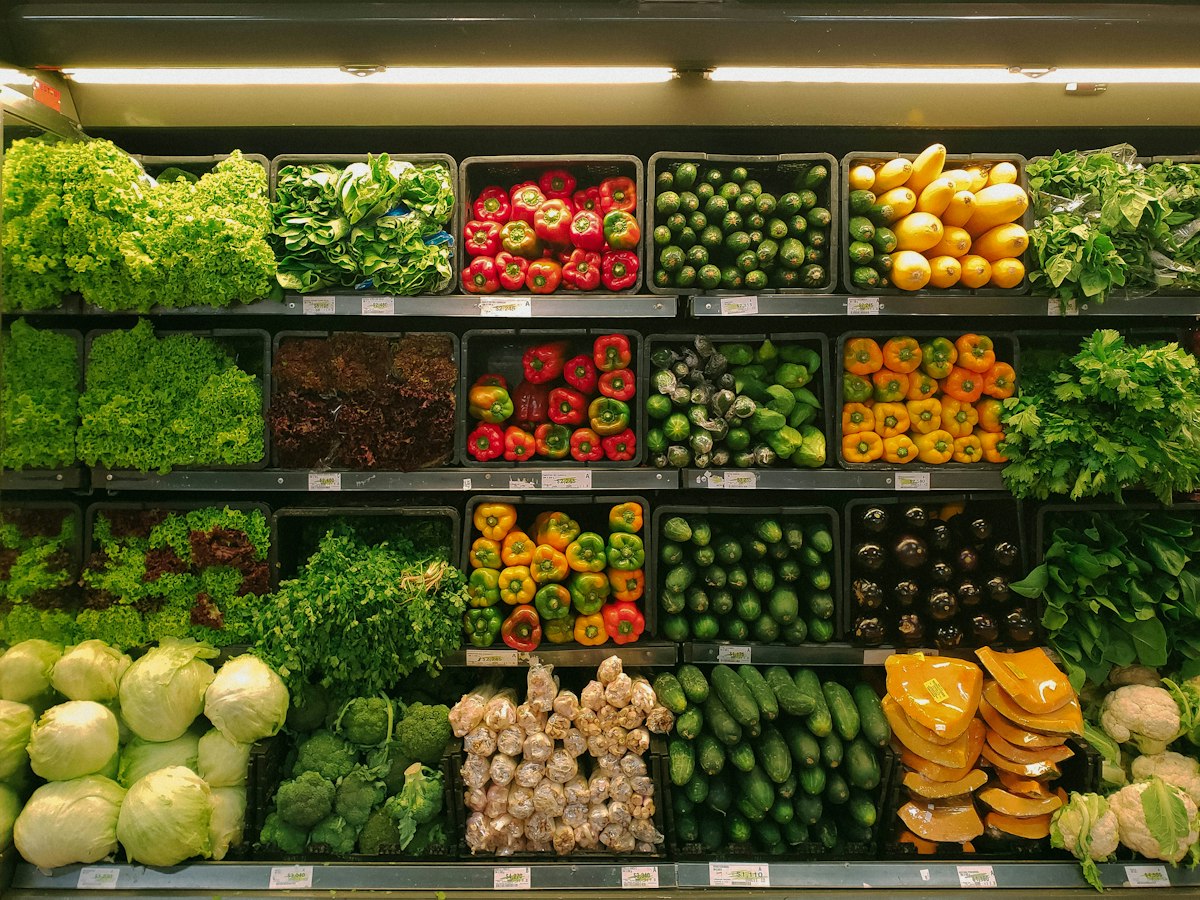
A well-stocked, organised supermarket is built on solid business planning — not just money.
Understand the Supermarket Business Model in Nigeria
Before you invest a single naira, you need to understand what kind of supermarket you're building. In Nigeria, supermarkets exist at different scales:
- Mini-mart (small supermarket): 100–500sqm, neighbourhood-focused, sells FMCG, food, and household items.
- Standard supermarket: 500–2,000sqm, higher variety, multiple product categories, may include fresh produce.
- Hypermarket: Large-scale retail, multiple departments, significant capital investment (₦50M+).
For beginners, starting with a well-managed mini-mart or neighbourhood supermarket is the smart path. You can scale after you've learned the business and built cash flow.
According to the Nigerian Investment Promotion Commission (NIPC), the retail sector is one of the fastest-growing sectors in the country, attracting both local and foreign capital. Nigeria's fast-moving consumer goods (FMCG) market alone is worth hundreds of billions of naira annually.
Write a Solid Business Plan
A business plan isn't just a document you write to get a bank loan. It's your operating blueprint. A supermarket business plan should include:
- Executive summary
- Market analysis (who your target customers are)
- Location strategy
- Startup capital estimate and funding plan
- Product category plan (what you'll sell)
- Pricing strategy
- Staffing plan
- Revenue projections (monthly, quarterly, yearly)
- Break-even analysis
- Risk assessment
The Small and Medium Enterprises Development Agency of Nigeria (SMEDAN) offers free business plan templates and training programs for entrepreneurs. Take advantage of these resources before you proceed.

A detailed business plan is what separates supermarkets that thrive from those that close within a year.
Register Your Business and Get the Right Licences
Legal compliance in Nigeria is non-negotiable. Here's what you need to operate a supermarket legally:
Business Registration with CAC
Register your business with the Corporate Affairs Commission (CAC). You can register as a Business Name (sole proprietorship) or as a Limited Liability Company (LLC). For a supermarket, an LLC is often recommended because it separates personal and business liability.
Tax Identification Number (TIN)
You'll need a TIN from the Federal Inland Revenue Service (FIRS) for tax compliance. This is also required when opening a business bank account.
State and Local Government Permits
Obtain the necessary operating permits from your state government and local government authority. Requirements vary by state, so check with your local government council directly.
NAFDAC Registration (if applicable)
If you'll be selling processed foods, beverages, or health products, ensure your suppliers have valid NAFDAC registration numbers on their products. This is a legal requirement for food retail in Nigeria.
Choose the Right Location (This Can Make or Break You)
In retail, location is everything. A great product in the wrong location will fail. Here's how to evaluate a supermarket location in Nigeria:
- Foot traffic: How many people pass through daily? Proximity to a bus stop, market, school, or church/mosque can mean consistent traffic.
- Demographics: Are the people in this area your target customers? A high-end supermarket in a low-income area will struggle.
- Competition: How many other shops and supermarkets are nearby? Don't be afraid of competition — just make sure your offering is differentiated.
- Accessibility: Can customers reach you easily? Is there parking space for those who drive?
- Lease terms: Negotiate at least a 2–3 year lease with a renewal option before you spend on renovations.
- Power supply: Supermarkets need power. Evaluate the electricity situation and factor in generator costs.
According to Statista's Nigeria retail industry overview, urban centres like Lagos, Abuja, Port Harcourt, Ibadan, and Kano continue to show the strongest retail growth. However, secondary cities and densely populated suburbs are increasingly attractive for neighbourhood supermarkets.
Estimate Your Startup Capital and Source Funding
How much does it cost to start a supermarket in Nigeria? It depends on your scale, but here's a realistic estimate for a beginner-level setup:
| Expense Item | Estimated Cost |
|---|---|
| Shop rent (advance + deposit) | ₦500,000 – ₦3,000,000 |
| Shop fitting (shelves, fridges, counters) | ₦500,000 – ₦2,000,000 |
| Initial stock/inventory | ₦500,000 – ₦3,000,000 |
| POS system and retail software | ₦50,000 – ₦300,000 (hardware) + affordable monthly software |
| Generator and power backup | ₦150,000 – ₦600,000 |
| Signage and branding | ₦80,000 – ₦300,000 |
| Staffing (first 2–3 months) | ₦150,000 – ₦500,000 |
| Miscellaneous (permits, legal, etc.) | ₦50,000 – ₦200,000 |
| Total Estimated Range | ₦2,000,000 – ₦10,000,000+ |
Where to get funding:
- Bank of Industry (BOI) — offers SME loans at single-digit interest rates for registered businesses
- NIRSAL Microfinance Bank — targeted at small businesses and agro-retail
- Commercial bank SME loans (Access Bank, Zenith, GTBank)
- Personal savings or family contributions
- Business angel investors or cooperative societies

Knowing your numbers from the start separates profitable supermarkets from those that run out of cash.
Build Your Supplier Network and Source Your Products
Your suppliers are one of your most important business relationships. For a Nigerian supermarket, you'll typically source from:
- Distributors: For FMCG brands like Unilever, Nestlé, Procter & Gamble, Dangote, and PZ Cussons. Reach out to their official distributors in your area.
- Wholesalers: Markets like Oyingbo (Lagos), Wuse Market (Abuja), and Mile 1 (Port Harcourt) are good starting points for bulk sourcing.
- Direct manufacturers: For private-label or high-volume categories, sourcing directly can improve margins.
- Importers: For foreign goods, wines, and specialty items.
Negotiate payment terms early. Many distributors offer 7–30 day credit periods once you've built a track record. This is huge for cash flow management as a new business.
Understanding how to manage your supplier relationships ties directly into how well you manage your inventory. We've written a detailed guide on this — see: How Poor Inventory Management Is Costing Your Supermarket and How to Fix It.
Set Up Your Shop: Shelving, Layout, and Equipment
Your shop layout directly influences how much customers buy. Smart store design increases average transaction value. Here's what to prioritise:
- Product categories clearly separated — drinks, food, household items, personal care
- High-margin or impulse items near the checkout — gum, mints, small snacks, batteries
- Refrigerated sections visible and accessible — cold drinks sell better when they're easy to see
- Wide aisles — customers stay longer when they're comfortable
- Price tags visible on every product — reduces staff pressure and builds customer trust
Essential equipment to budget for:
- Display shelves and gondola units
- Commercial refrigerators/freezers
- Cash counter and checkout point
- POS terminal (computer, tablet, or Android device)
- Receipt printer
- Barcode scanner (if stocking barcoded goods)
- Security cameras
- Generator or inverter backup
For a full breakdown of what POS hardware you'll need, read our guide: POS Hardware Buying Guide: What Every Retail Business Actually Needs to Start.
Choose the Right POS and Inventory Management System
This is where many beginner supermarket owners underinvest — and pay for it later. Running a supermarket without a proper POS and inventory system is like driving at night with no headlights. You'll hit something eventually.
Here's what can go wrong without the right system:
- Staff record sales in a notebook — easy to manipulate, impossible to audit
- You don't know what's in stock until shelves are empty
- Shrinkage (theft) goes undetected for months
- Customer credit is tracked on paper — disputes are common
- You can't generate a P&L report without spending hours manually calculating
A cloud-based retail POS system solves all of this. It gives you real-time visibility into every sale, every product, every staff member, and every naira — whether you're physically in the shop or not.
🛒 How SwiftPOS Supports Supermarket Businesses
SwiftPOS is a cloud-based POS and retail management system built specifically for businesses like supermarkets, pharmacies, and mini-marts in Nigeria. Here's what it gives you from day one:
- Fast POS terminal (grid and barcode scanner modes)
- Real-time inventory tracking with low-stock alerts
- Staff management with role-based access
- Customer management and credit tracking
- Full P&L reporting and data export
- Audit logs to track every action in the system
- Suspicious activity detection
- Multi-branch support as you grow
Plans start at just ₦3,000/month — less than the cost of a few printing receipts notebooks. See full pricing plans here.

SwiftPOS gives you a real-time view of your supermarket's performance — revenue, stock, staff activity — all in one dashboard.
To understand exactly how the system works in practice, read: How SwiftPOS Works: A Complete Guide to Managing Your Retail Business Smarter.
And if you're still weighing options, this comparison is worth reading: Cloud POS vs Traditional Cash Registers: Which Is Best for Your Shop in 2026?
Hire and Train Your Staff Properly
People are your biggest asset and your biggest risk. For a small supermarket, you'll likely need:
- 1–2 cashiers/sales attendants
- 1 store manager or supervisor
- 1 security guard
- 1 cleaner/general assistant
Train your team on product knowledge, customer service, and — critically — how to use your POS system correctly. Set up role-based access so cashiers only see what they need to see. Your manager should have broader access to reports without having admin control over pricing or system settings.
Don't wait for problems to appear before you set up accountability structures. One of the most common reasons Nigerian shops lose money is internal theft and staff manipulation of sales records. Systems like audit logs and suspicious activity monitoring are what catch these problems early.

The right staff with the right systems in place is the combination that keeps a supermarket running smoothly.
Launch, Market, and Keep Customers Coming Back
Once your shop is set up and stocked, it's time to open. But opening day isn't the hard part — keeping customers coming back is.
How to Attract Customers to a New Supermarket
- Opening promotion: Discounts, free giveaways, or loyalty rewards for first-time buyers
- WhatsApp marketing: Share your products, deals, and location to contacts and community groups
- Google Business listing: Register your shop on Google Business Profile so people searching nearby can find you
- Flyer distribution: Still effective in Nigerian neighbourhoods — target a 500m radius around your shop
- Social media: Even a simple Instagram page showing your products builds local awareness
- Word of mouth: Give customers a reason to talk about you — good prices, clean shop, quick service
How to Retain Customers Long-Term
- Consistent stock availability — customers switch when they can't find what they want
- Customer credit system — trusted customers who buy on credit and pay back are some of your most loyal
- Branded receipts — professional receipts build credibility
- Clean and well-organised shop at all times
- Friendly, knowledgeable staff
Managing customer credit manually is one of the messiest parts of Nigerian retail. A system that handles this digitally — tracking balances, payment history, and limits — saves you serious headaches. Read more about how this works in practice on our SwiftPOS features page.
Frequently Asked Questions: Starting a Supermarket in Nigeria
How much capital do I need to start a small supermarket in Nigeria?
For a small neighbourhood supermarket or mini-mart, you can start with ₦2,000,000 to ₦5,000,000 depending on your location, size, and level of fittings. You can start smaller and reinvest profit to scale up.
Do I need to register a supermarket business in Nigeria?
Yes. You need to register with the Corporate Affairs Commission (CAC) and obtain a Tax Identification Number (TIN) from FIRS. Depending on your state, you'll also need local government operating permits.
What is the most important software a supermarket needs?
A POS and inventory management system is the most critical software for any supermarket. It tracks sales, stock, staff activity, and customer transactions in real-time. Without it, you're running blind. SwiftPOS is a cloud-based option designed for Nigerian retail businesses, starting at ₦3,000/month.
How do I manage stock in a supermarket to prevent theft?
Use a digital inventory system that tracks every stock movement — from purchase to sale. Look for features like audit logs, staff access controls, and suspicious activity detection. We wrote a detailed breakdown on this: Your Shop Is Bleeding Money and Your Staff Might Be Holding the Knife.
Can I run a supermarket business from multiple locations?
Yes. Many supermarket owners in Nigeria manage multiple branches. The key is having a centralised system that lets you monitor all locations in one place. SwiftPOS's Pro plan includes multi-branch support, allowing you to track stock, sales, and staff across every outlet.
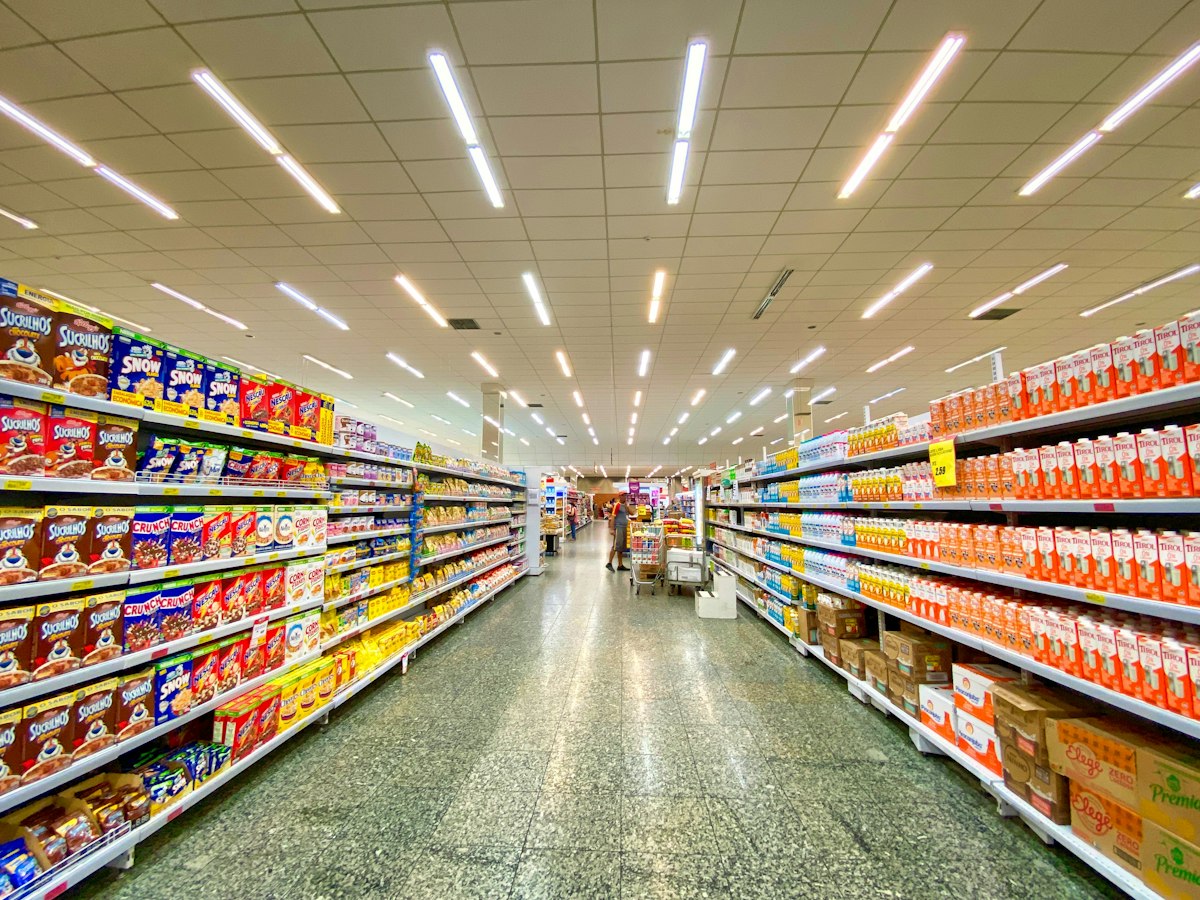
Modern supermarkets run on systems — not guesswork. The right POS setup gives you control from day one.
Final Thoughts: Build It Right From the Start
Starting a supermarket business in Nigeria is a serious commitment — but it's also a serious opportunity. Nigeria's growing urban middle class, rising consumption, and underpenetrated formal retail sector mean there's genuine room for well-run supermarkets at every scale.
The difference between supermarkets that succeed and those that struggle often comes down to one thing: systems. Business plan, legal structure, supplier relationships, shop layout — these matter. But what really separates profitable supermarkets from loss-making ones is how they track money, stock, and people on a daily basis.
Read our full breakdown of how retail businesses lose money without realising it: Your Shop Is Bleeding Money and You Don't Even Know It. Then make sure you're not making the same mistakes before you even open your doors.
Ready to Launch Your Supermarket the Smart Way?
SwiftPOS gives you the POS, inventory, staff management, and reporting tools your supermarket needs — all in one affordable system built for Nigerian businesses.
Plans start at ₦3,000/month. Get 1 month free when you subscribe annually.
📋 See Pricing Plans 💬 Chat on WhatsApp